Hip Replacement Surgery
What is Hip Replacement Surgery?
Hip replacement surgery, also known as total hip arthroplasty, is a common and highly effective orthopaedic procedure that relieves pain, improves mobility, and restores quality of life in individuals with significant hip joint damage. As a dedicated hip surgeon, hip replacement is one of the most common operations Dr Williams performs. The operation involves removing damaged parts of the hip joint and replacing them with artificial components that are designed to move smoothly and last for many years.
This surgery is usually recommended when hip pain and stiffness interfere with activities of daily living, such as walking, sitting, standing, sleeping, or putting on shoes, and when non-surgical treatments no longer provide adequate relief.
The artificial device (prosthesis) replaces the worn-out ball-and-socket joint. The goals of surgery are to:
- Relieve Pain & Stiffness
- Restore Mobility
- Regain Function
- Allow Resumption Of A Normal Lifestyle
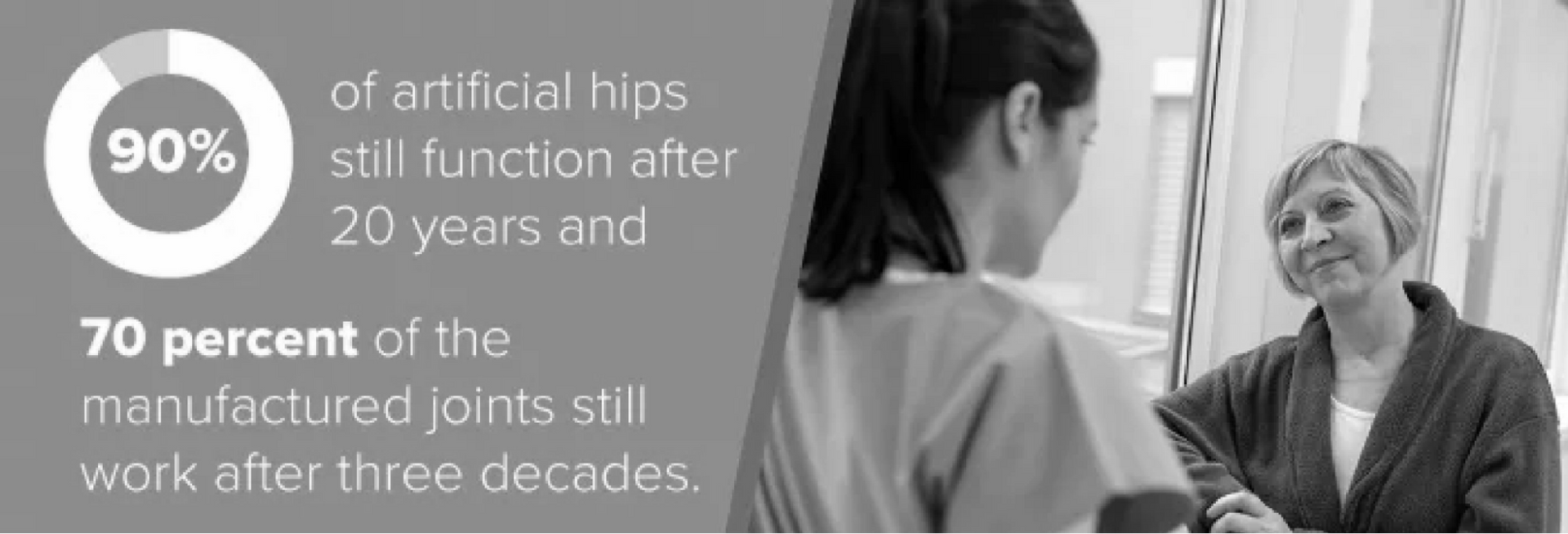
A hip replacement is one of the most successful operations performed by orthopaedic surgeons and, once performed, should last for decades (over 90% should still be functioning after 30 years). The common myth of hip replacements only lasting 10-15 years is no longer true for most modern hip replacements.
Who is Suitable for Hip Replacement Surgery?
Dr Williams typically recommends hip replacement surgery for patients with hip arthritis or hip fractures that cause severe pain and limited mobility. Surgery is usually considered when non-surgical treatments, such as medication, physiotherapy, or assistive devices, fail to relieve symptoms. Candidates for hip replacement surgery should be healthy enough to safely undergo general anaesthetic and be committed to postoperative rehabilitation to achieve an optimal result.
Most hip replacement candidates are adults with degenerative disorders over 50. However, Dr Williams also has expertise in hip replacement for teenagers or younger adults with end-stage hip disease, for whom there are no other alternatives.
Benefits of Hip Replacement Surgery
Hip replacement surgery offers many benefits for patients with hip pain and stiffness. Over 95% of patients are satisfied with their total hip replacement. The surgery can help to:
- Significantly reduce or eliminate hip pain, allowing patients to engage in their daily activities without discomfort.
- Improve hip joint function and mobility, allowing patients to walk, climb stairs, and perform other activities that were previously difficult or impossible.
- Improve patients' quality of life by enabling them to engage in activities they previously could not, such as sports, travel, and hobbies.
- Provide long-lasting relief from hip pain and stiffness, with many patients experiencing significant improvement in their hip function for 15 to 20 years or more. For most patients, a well-performed modern hip replacement should last the rest of their lives.
Hip Surgery Recommendation
Once you and Dr Williams have agreed that Hip Replacement Surgery is the best available treatment, he will discuss the options available to you, depending on your preferences. These may include the:
- Specific surgery type (total hip replacement versus total hip resurfacing),
- Hip implant (titanium versus stainless steel stem, the use of bone cement, the material used for the gliding surfaces), and
- Surgical Approach (anterior versus posterior)
Dr Williams will base his recommendations on your individual anatomy, the complexity of your hip reconstruction, your preferences, and his experience and training. As a dedicated hip surgeon, Dr Williams is experienced in all three major approaches to the hip. However, he prefers the minimally invasive direct anterior approach for 95% of his total hip replacements.
Hip surgery aims to return patients to their previous activity level with a fully functioning, pain-free hip joint. For most patients following hip replacement, returning to lower-intensity exercise such as cycling, hiking, swimming, walking and doubles tennis is very achievable. Younger, more highly active patients may wish to return to high-impact, high-velocity sports (e.g., running, skiing, and singles tennis), which can be done successfully after discussion with Dr Williams about the potential risks and benefits. In certain patients wishing to pursue high-impact exercise, Dr Williams may discuss the option of total hip resurfacing instead of total hip replacement.
Hip Replacement Approaches
There are three main surgical approaches for Hip Replacement Surgery. The different surgical approaches vary in several ways but essentially come down to how a surgeon cuts the soft tissues to access the hip. The main approaches are Posterior (through the back of the hip), Anterior (through the front of the hip ) and Lateral (through the side of the hip).
A well-performed hip replacement is an effective operation, in terms of pain relief and improved quality of life, regardless of the approach used.
Hip Replacement Implants
There are many different types of artificial joint prostheses, all made from different materials and offering different bearing surfaces.
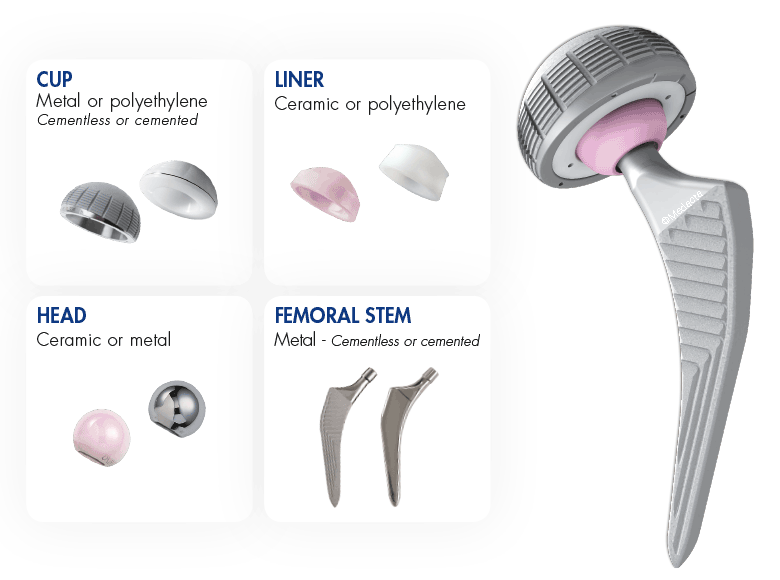
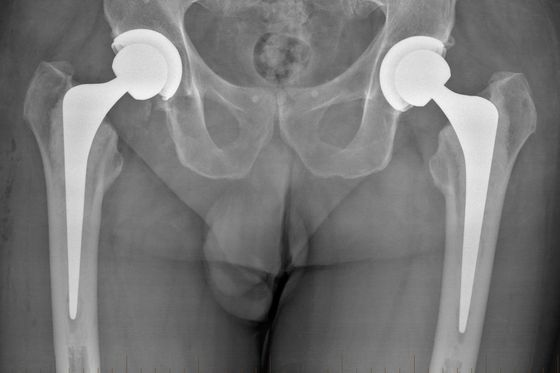
- A standard hip replacement consists of 4 parts: the femoral stem, the femoral head, the acetabular shell and the acetabular liner.
- The most common implant combination used in Australia and in Dr Williams’ practice is an uncemented titanium femoral stem with a ceramic femoral head, and an uncemented titanium acetabular shell with a highly cross-linked polyethylene (medical-grade plastic) liner.
- In younger, highly active patients or those with small bony anatomy, Dr Williams will also often use a ceramic acetabular liner, so that the bearing surface is ‘ceramic-on-ceramic’ rather than ceramic-on-polyethylene. Long-term data is excellent for both options.
- In patients over 75 or with known low bone density, Dr Williams may use a cemented stainless-steel femoral stem. During this technique, the top of the hollowed-out femur is filled with a liquid bone cement and the stem is gently slid into the hollow bone and held still for 11-12 minutes whilst the cement sets. This gentler technique may reduce the risk of fracture or ‘loosening’ of the implant in patients with softer bone.
- Dual Mobility Implants. This is a type of hip replacement in which the femoral head, rather than being a single solid ball, is a ‘ball within a ball’. This extra moving surface can be useful to protect against dislocation in high-risk patients, especially in revision (redo) operations. Dr Williams rarely uses this in straightforward hip replacement cases.
Surgical Methods
Computer-Assisted Hip Replacement
Accurate alignment of the hip components is critical to the overall function and improved outcomes after Hip surgery.
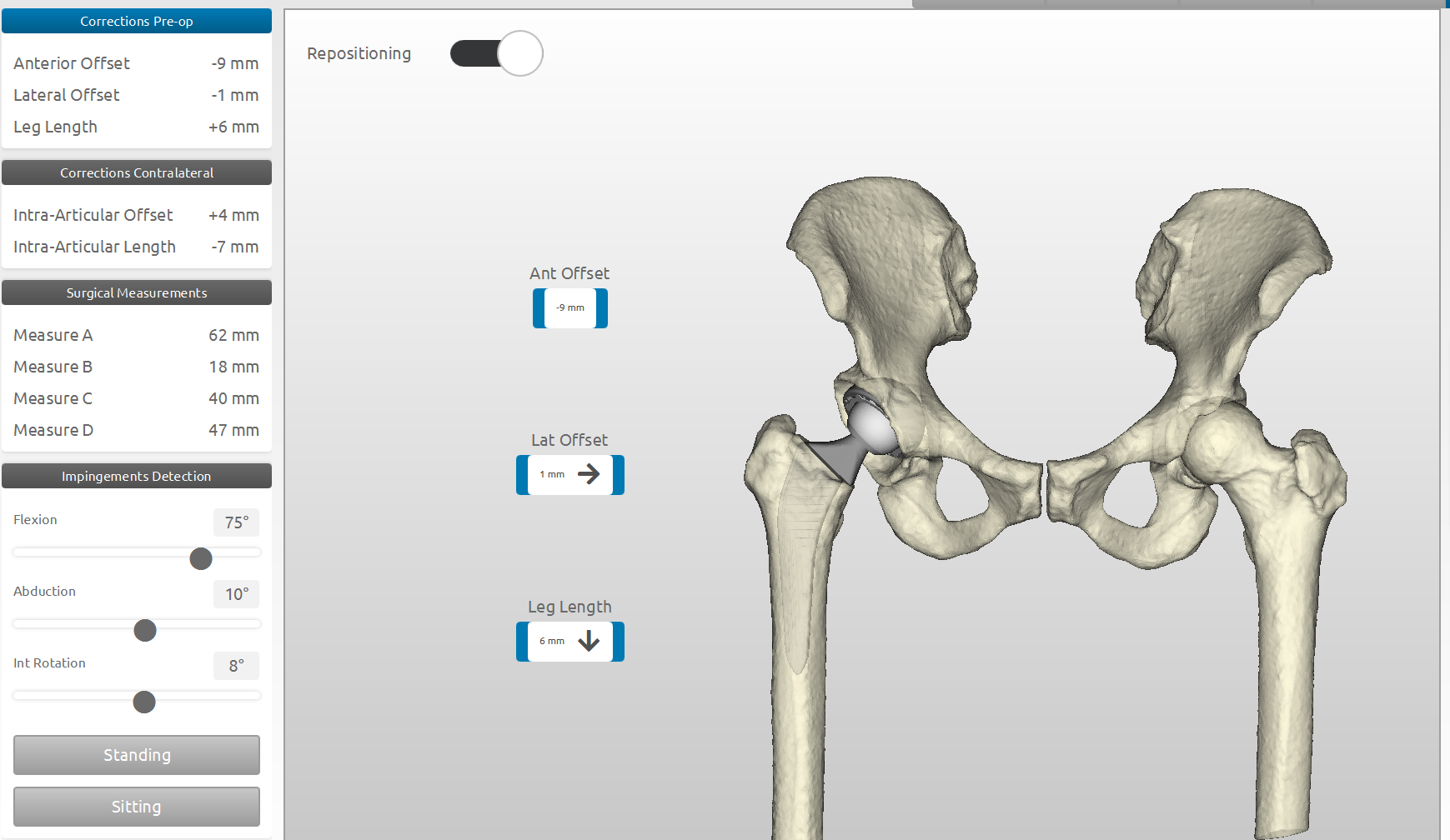
Dr Williams routinely uses patient-specific 3D templating to create an individualised plan for each patient’s surgery. A preoperative CT scan is sent to engineers who create a 3D model of a patient’s hip in specialised planning software.
This allows Dr Williams to perform a ‘virtual surgery’ in which implant position and sizes can be tweaked and tailored to each patient. Having an accurate plan in advance improves efficiency in the operating theatre and reduces important risks such as infection.
Intra-operative Accuracy with Live X-ray
During your surgery, Dr Williams uses live X-ray at various stages to ensure that the implanted components are positioned according to the preoperative plan. The anterior approach, with the patient resting on their back throughout the case, allows easy use of live X-ray to confirm accuracy.
Increasingly, AI software can be coupled with live X-ray imaging to provide rapid feedback on implant positioning, allowing surgeons to make micro-adjustments to achieve an accurate reconstruction of a patient’s individual anatomy, the ultimate goal.
Robotic Assisted Orthopaedic Surgery
Whilst there is some excitement surrounding the use of robotic technology in surgery, there are also many misconceptions. Some marketing information may lead patients to assume that a robot performs much of the robotic hip replacement surgery, with the surgeon acting more as an assistant. This is not true. In fact, the only part of a hip replacement that robots are currently used to perform is the preparation and implantation of the acetabular socket. This is a relatively simple step that can be performed to a high degree of accuracy using intraoperative X-ray and good surgical technique.
All of the delicate soft-tissue handling to gain access to the hip, sawing of the femoral neck, hollowing out of the femur, implantation of the femoral stem, and closure of the soft-tissue layers are still the handwork of the surgeon.
At present, Dr Williams chooses not to use a robot in his hip replacement surgeries as:
- The scientific research shows no benefit
- An extra skin cut is required
- Use of a robot often adds to the length of the surgery
- Use of a robot adds to the cost and the disposables used in surgery
Dr Williams is constantly reassessing emerging technologies and will adopt those that will make a clear difference to his patient outcomes
Preparation Before a Hip Replacement Surgery
There are certain steps patients should take to prepare for the procedure and ensure a successful outcome. Once you and Dr Williams have decided to proceed with surgery, you will be given a full, detailed checklist. In general, these steps include:
- Medical Evaluation: Dr Williams will undertake a thorough medical evaluation to determine whether you are a suitable candidate for surgery and to identify any underlying health conditions that may affect the surgical outcome. For patients with a more complex medical history, Dr Williams may refer to a cardiologist or another medical specialist for assessment and assistance with surgical ‘optimisation’.
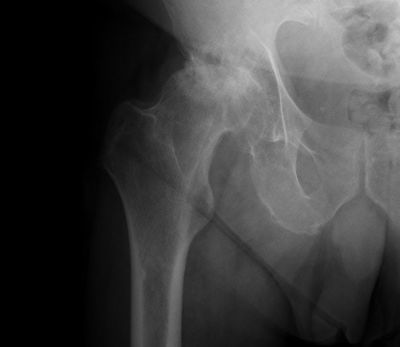
- Preoperative tests: Dr Williams will refer you for a CT scan using a special protocol, as well as functional X-rays, to help with preoperative planning. You will also be given a form for routine blood tests and skin swabs.
- Lifestyle Changes: Some patients may benefit from lifestyle changes, such as quitting smoking, losing weight, and improving their diet, to reduce the risk of complications and promote a timely recovery.
- Preoperative Rehabilitation: Some patients may benefit from preoperative rehabilitation, or ‘prehab’, such as physiotherapy, to improve hip strength and flexibility and to prepare for postoperative rehabilitation.
- Prepare your home: It is wise to make sure your home environment is optimised for recovery before hip replacement surgery. This may include decluttering and removing trip hazards. If your usual bedroom is upstairs, it can be useful to prepare a temporary bedroom on the entry level. Planning for loved ones or other support people to be available to help you recover is also important. Preparing some precooked meals can also take the stress out of the early recovery period.
- Medications: Certain medications may need to be stopped for a few days before surgery. These include certain blood thinners, diabetes medications and autoimmune medications, which Dr Williams or his anaesthetist will give you individual advice on.
- Skin preparation: To minimise the risk of surgical infection, Dr Williams recommends using a disinfectant body wash such as Chlorhexidine or pHisohex whilst showering for 2 days before surgery. Some patients may also be advised to use Mupirocin nasal ointment twice daily for 5 days if they are found to be colonised with Staphylococcus aureus on routine swabs.
Total Hip Replacement Procedure Steps
Hip Replacement involves removing the arthritic cartilage and bone of the hip joint and replacing them with smooth artificial surfaces that are anchored to the body by a titanium cup in the socket and a metal stem down the femur.
Here are the steps involved in a hip replacement procedure:
- Pre-admission: Patients are called by the hospital the day before their surgery and told what time to arrive on the day of surgery and what time to stop eating and drinking. Patients may also be asked to attend a pre-admission clinic at the hospital in the weeks leading up to the procedure.
- Admission: Patients arrive on the day of surgery and present to the admissions area, where you will change into a patient gown, have your blood pressure taken, and have your surgical site prepared with antiseptic.
- Anaesthesia: For most hip replacement surgeries, Dr Williams’ anaesthetist will use a low-dose spinal anaesthetic combined with a general anaesthetic to keep you comfortable. At the end of the procedure, a generous amount of local anaesthetic is injected into the soft tissues to provide many hours of good pain relief.
- Incision: Dr Williams will make a 6-8cm incision at the front of the hip joint (anterior) or a 15cm incision on the side of the hip (posterior). There are two options for the orientation of the anterior hip replacement scar - either vertical or oblique (bikini incision), which Dr Williams can discuss with you. The hip joint is exposed, and the joint capsule is opened.
- Removal of Damaged Tissue: Dr Williams then removes the damaged parts of the hip joint, including the ball and socket, using specialised instruments.
- Placement of Artificial Components: Under X-ray guidance, Dr Williams prepares the bone for the artificial implants and performs a ‘trial’ reduction with temporary implants. This allows assessment of stability and leg length, and any minor adjustments to be made. He then implants the definitive artificial components, consisting of a titanium socket with a plastic or ceramic liner and a metal stem with a ceramic ball, using a cemented or press-fit technique.
- Closing the Incision: Dr Williams closes his incisions in multiple layers, with the final layer closed with dissolvable sutures beneath the skin surface and surgical glue. A waterproof dressing is applied that should stay in place for 12-14 days.
What to Expect After a Hip Replacement Surgery?
After hip replacement surgery, Dr Williams’ patients typically remain in the hospital for 1-2 days before being discharged home or, if required, to inpatient rehabilitation. During this time, patients can expect the following:
- Pain Management: You will receive several types of analgesics to manage pain, along with regular ice packs or cryotherapy to control swelling.
- Physiotherapy: Whilst in hospital, you will be seen 1-2 times daily by the physiotherapy team, who will show you some gentle exercises to get the hip moving. In addition to walking, these are all you need to do for the first 2 weeks.
- Hip precautions: If Dr Williams performs your hip replacement through the direct anterior approach, there are no ‘hip precautions’. Certain ‘rules’ have traditionally been prescribed after posterior approach hip replacement, such as: no crossing of your legs, no bending the hip past 90 degrees, no bending over to pick objects off the floor and no side sleeping for 6 weeks. Due to the excellent stability following anterior approach replacement, these precautions do not apply.
- Early Assisted Mobility: Dr Williams places great value on early postoperative mobilisation, and many patients will stand and walk on their new hip on the same day as surgery, using a frame or crutches. By discharge, most patients are independently walking with 2 crutches, which the hospital will provide.
- Postoperative Rehabilitation: Patients will receive a postoperative rehabilitation plan that includes gentle exercises and activities to facilitate recovery and regain mobility over the first two weeks.
Hip Replacement Surgery Recovery Plan
Whilst full recovery from total hip replacement can take 6-12 months, most patients are much better than before by 6 weeks and about 90% recovered by 12 weeks. Recovery is, of course, an individual process and varies depending on your age, overall fitness, the complexity of the surgery, and other factors. Dr Williams recommends seeing a trusted physiotherapist from 1-2 weeks postoperatively, with whom he will liaise to guide your rehabilitation. Key points to keep in mind during the recovery period include:
- Physiotherapy: Your hip may have deconditioned over many years, so formal physiotherapy is recommended to improve hip strength and flexibility and restore mobility.
- In-Patient Rehabilitation: There is increasing recognition that the best place for most patients to recover is their own home, rather than a rehab hospital. There is no scientific evidence that inpatient rehab leads to superior outcomes, and so it is not necessary for most patients. That said, inpatient rehab can be appropriate for some patients for a week or so if their home environment is unsuitable for recovery, they are severely deconditioned or socially isolated. Dr Williams will discuss this with you before surgery, though the referral cannot be made until after the operation.
- Activity Modification: You should avoid high-impact activities such as running and jumping for at least 4 months to give the implants and the bone to bond securely.
- Uncemented hips: Where Dr Williams has used a ‘press-fit’ technique for the femoral stem (in the majority of cases), he recommends using 2 crutches for 2 weeks, then a walking stick for 5 or 6 weeks. This is to support the implant as it bonds to the bone. He also prefers that your therapist minimise exercises that load your hip in a bent position for 6 weeks, such as squats, lunges, step-ups and sit-to-stands. After 6 weeks, these exercises are fine to incorporate.
- Medications: Painkillers - you will be provided with a supply of stronger painkillers to take home with you from the hospital, though you will hopefully only need them for a few days. Blood thinners: to prevent deep vein thrombosis following hip replacement, you will be prescribed a blood thinner tablet for 35 days post-op.
- Follow-up Appointments: The wound should be assessed at the 2-week mark by Dr Williams, your trusted physiotherapist, or your general practitioner. Dr Williams will see you at 6-8 weeks post-surgery with a new X-ray to ensure your recovery is on track.
- Nutrition: Patients should maintain a healthy, balanced diet to promote healing and recovery.
- Emotional Support: Patients may require emotional support from family, friends, or a support group to cope with the physical and emotional challenges of recovery. It is not uncommon to feel ‘down’ at various stages in your recovery: you’re dealing with some postoperative pain, loss of your normal independence, and you may feel isolated. At these times, it can be important to have support systems in place to lean on.
Hip Replacement Surgery Prognosis
Hip replacement surgery is a highly successful procedure that can significantly relieve hip pain and stiffness. According to the Australian Joint Replacement Registry, more than 95% of patients who undergo hip replacement surgery experience significant improvement in their hip function and pain relief. The longevity of the artificial joint depends on several factors, including the patient's age, activity level, and overall health. The common myth that joint replacements only last 10-15 years before needing to be redone is outdated. With modern techniques and implants, 90% of hip replacements are still functioning after 20 years, and so for most patients, their new hip should function well for the remainder of their lives.
Hip Replacement Surgery Risks
As with any surgery, hip replacement entails risks and complications. Some potential risks and complications associated with hip replacement surgery include
- Infection (less than 1%)
- Blood Clots or other medical complications
- Dislocation (less than 1%)
- Leg length discrepancy
- Fracture (where the bone around the implant breaks) occurs in about 1%
- Loosening (where the secure bond between the bone and implant breaks down, causing pain) about 1%
- Nerve or Blood Vessel Damage (very rare)
- Temporary or minor permanent numbness next to the incision
Dr Williams will discuss these risks in detail with you, including your patient-specific risk profile and how to minimise them, so that you can make an informed choice about surgery.
How do I know when the time is right for a hip replacement?
The timing of hip replacement is a very individual decision and one that only you, as the patient, can make once you feel fully informed about the risks and benefits. Dr Williams sees his role as a facilitator and educator, helping you with this important decision. Total hip replacement is a ‘quality of life’ operation, and most patients choose to have it done when the potential benefits to their quality of life outweigh the risks. Delaying hip replacement to fit it in around life events is usually safe. It only rarely results in a more challenging surgery if large bone cysts lead to structural collapse of the joint.