Young Adult Hip Pain
What is Young Adult Hip Pain?
Hip pain in young adults is common and can affect people from their late teens through to their 40s. Unlike hip pain in older adults, which is often related to arthritis, hip pain in younger people is more frequently caused by structural problems, muscle and tendon issues, sports injuries, or movement patterns that overload the joint over time.
What is the Hip Joint?
The hip is a deep ball-and-socket joint that provides both stability and mobility. It connects the thigh bone (femur) to the pelvis and allows walking, running, sitting, twisting, and bending. Cartilage, ligaments, tendons, and strong muscles around the hips and core support the joint.
In young adults, the hip joint itself is usually healthy. Pain often occurs when one or more supporting structures are irritated, injured, or otherwise altered in a way that limits smooth movement.
Where is Hip Pain Commonly Felt?
The location of hip pain often provides clues about its cause:
- Front of the Hip or Groin: Often linked to labral tears, FAI, or hip flexor problems.
- Side of the Hip: Commonly associated with bursitis or gluteal tendon irritation.
- Back of the Hip or Buttock: May be related to lower back issues, sacroiliac joint problems, or issues with the back of the hip joint, such as hip dysplasia or labral tears.
Risk Factors for Young Adult Hip Pain
Certain factors can increase the likelihood of developing hip pain:
- High-Impact Sports: Activities such as football, soccer, hockey, running, and dance place repeated stress on the hips, often through an extreme range of motion.
- Sudden Training Changes: Rapid increases in intensity, distance, or frequency of exercise.
- Poor Movement Patterns: Weak core or hip muscles leading to uneven joint loading.
- Previous Injuries: Past hip, knee, or back injuries that alter movement mechanics.
- Structural Hip Differences: Natural variations in bone shape that affect joint movement.
Common Causes of Young Adult Hip Pain
Hip pain in younger people can develop suddenly after an injury or gradually over time. Some of the most common causes include:
- Femoroacetabular Impingement (FAI): A condition where extra bone on the femur or hip socket causes mechanical conflict during movement, leading to pain and reduced range of motion, often during deep bending movements or sitting
- Hip Labral Tears: Damage to the cartilage rim around the hip socket, often linked to sports, twisting injuries, or structural hip problems like FAI and dysplasia.
- Muscle Strains and Tendon Injuries: Overuse or sudden loading of muscles such as the hip flexors, gluteal muscles, or adductors.
- Hip Bursitis: Inflammation of fluid-filled sacs that reduce friction around the hip, commonly causing pain on the side of the hip in the case of trochanteric bursitis.
- Stress Fractures: Small cracks in the bone caused by repetitive impact, often seen in runners or people with sudden increases in activity.
- Snapping Hip Syndrome: A popping or snapping sensation caused by tendons moving over bony structures. This can be internal snapping hip (felt in the front of the hip) or external snapping hip (felt on the side). More commonly, it is not a painful phenomenon.
- Avascular necrosis: Young adults and teenagers can sometimes develop it. In this condition, the blood flow to the ball of the hip is cut off, causing the bone to die and collapse. The most common causes of this are medications (such as high-dose steroids used to treat leukaemia and other cancers), trauma (such as femoral neck fracture or slipped capital femoral epiphysis), excessive alcohol intake, sickle cell anaemia and unknown.
- Referred Pain: Pain felt in the hip that actually comes from the lower back or pelvis.
Symptoms of Young Adult Hip Pain
Hip pain can present differently depending on the cause and severity. Symptoms may include:
- Pain with Activity: Discomfort during walking, running, squatting, or climbing stairs.
- Stiffness: Reduced flexibility, especially after sitting or resting.
- Clicking or Catching Sensations: Often reported with labral tears or impingement.
- Weakness: Difficulty with single-leg activities or reduced power during sport.
- Pain at Rest or Night: Less common but may indicate inflammation or more significant injury.
Preventing Young Adult Hip Pain
While not all hip pain can be prevented, risk can be reduced by:
- Maintaining Strength: Regular strengthening of the hips and core muscles.
- Gradual Training Progression: Increasing exercise intensity slowly.
- Proper Warm-Ups: Preparing muscles and joints before activity.
- Early Attention to Pain: Seeking advice if symptoms persist beyond a short period.
- Balanced Movement: Avoiding repetitive strain without adequate rest.
When to Seek Medical Advice for Young Adult Hip Pain
Young adults should seek assessment if hip pain:
- Persists for Several Weeks: Despite rest or simple measures.
- Limits Daily Activities or Sport: Affecting quality of life.
- Is Associated with Clicking or Locking: Especially with movement.
- Occurs After Injury: Particularly with sudden pain or inability to bear weight.
Diagnosis of Young Adult Hip Pain
A careful assessment is essential for identifying the underlying cause of hip pain. Diagnosis usually involves:
- Detailed Medical History: Discussion of symptoms, activity levels, and previous injuries.
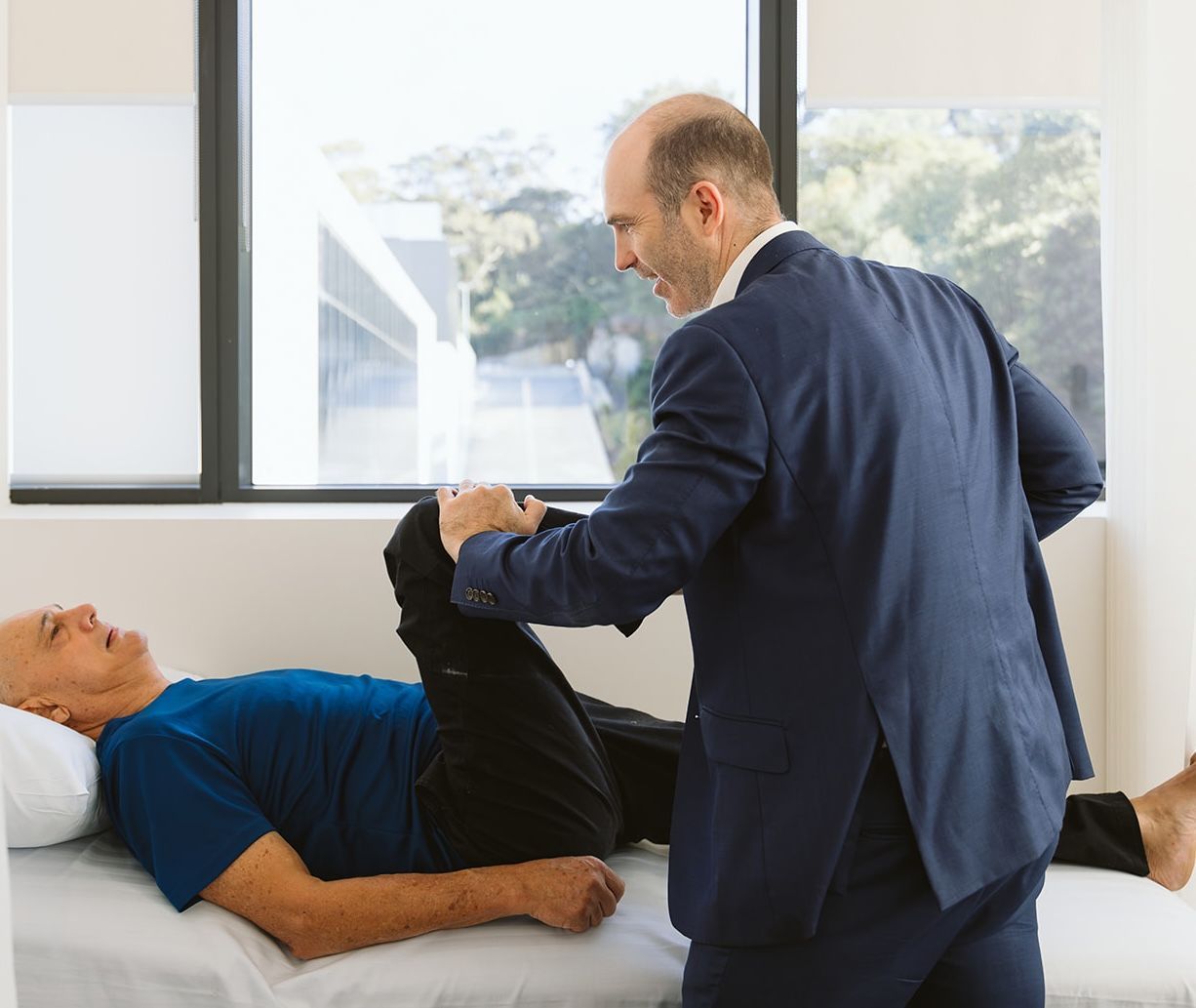
- Physical Examination: Testing hip movement, strength, and flexibility.
- Imaging: X-rays to assess bone shape, and MRI scans to look at cartilage, labrum, and soft tissues.
- Functional Assessment: Observing walking, running, or sport-specific movements when relevant.
Non-Surgical Treatment Options for Young Adult Hip Pain
Most young adults with hip pain improve with non-surgical care. Treatment is often tailored to the individual and may include:
- Activity Modification: Reducing or changing activities that aggravate symptoms.
- Physiotherapy: Targeted exercises to improve strength, flexibility, and movement control.
- Anti-Inflammatory Measures: Short-term use of medication or ice to reduce pain and swelling.
- Injections: Cortisone or other injections may be used in selected cases to reduce inflammation and confirm diagnosis.
- Education: Guidance on posture, training loads, and recovery strategies.
Early treatment is important to prevent symptoms from becoming chronic.
Young Adult Hip Pain Surgery
Surgery is usually considered only if symptoms persist despite appropriate conservative treatment. As hip pain in young adults is often a consequence of unfavourable anatomy, the goal of hip preservation surgery is often to correct the anatomy in addition to repairing any injured structures, such as the labrum. Common surgical procedures in young adults include:
- Arthroscopic (keyhole) surgery to repair labral tears or correct bony impingement
- Periacetabular osteotomy to correct acetabular coverage or orientation
- Femoral osteotomy to correct malrotation
- Surgical hip dislocation to realign the femoral head or perform open cartilage procedures
Surgery aims to relieve pain, restore movement, and protect the joint from long-term damage. Not all hip problems require surgery, and outcomes are best when the correct patients are carefully selected.
Young Adult Hip Pain Prognosis
The prognosis for young adults with hip pain is generally good, especially when the problem is identified early. Recovery depends on the underlying cause, the treatment approach, and adherence to rehabilitation programs.
- Short-Term Recovery: Muscle strains and mild inflammation often improve within weeks.
- Medium-Term Recovery: Labral or impingement-related issues may take several months with structured rehabilitation.
- Long-Term Joint Health: Addressing movement patterns and strength deficits helps reduce the risk of future problems.
What Happens If Young Adult Hip Pain is Untreated?
Delaying assessment and treatment can lead to worsening symptoms and potential joint damage. Ongoing pain may limit activity levels, affect participation in work and sports, and increase the risk of early joint degeneration. When degeneration progresses too far, hip preservation surgeries may not be as successful or appropriate.